If you could sell your Baywood home with fewer last‑minute surprises, would you? You want a smooth process, a strong price, and a timeline you can count on. This guide gives you a clear, Baywood‑specific plan that cuts confusion and keeps momentum from prep to close. You’ll see what local buyers expect, how to sequence your steps, and which disclosures and hazard items matter most. Let’s dive in.
Baywood market snapshot
As of January 2026, market trackers reported a median Foster City sale price around $1,167,500, with typical days on market lasting multiple weeks. Baywood, an established San Mateo neighborhood with mature trees and single‑family homes, often trades above county medians. Pricing still varies street by street, so a tight CMA and condition strategy are key.
Local buyers value move‑in readiness and features that show well fast. Kitchens with modern finishes, single‑level or mostly single‑level layouts, hardwood floors, and usable outdoor space tend to pull more showings and stronger early offers.
Your no‑surprises selling plan
Weeks −6 to −2: Pre‑list prep
- Schedule a pre‑listing inspection 2 to 4 weeks before you plan to go live. Early inspections surface issues on your schedule and reduce the risk of cancellations or renegotiations once under contract. Many agents recommend this step today, and it has grown in use to protect timelines. See why sellers are leaning in to this step in this overview from the National Association of REALTORS: agents turn to pre‑listing inspections.
- Build your property packet. Gather permits, service records, appliance manuals, receipts for upgrades, HOA documents if applicable, and recent utility or tax statements. Early, complete info shortens buyer review time.
- Make targeted fixes that matter for safety and systems first. Fresh paint, caulk, simple hardware repairs, and lighting updates often deliver outsized impact. Consider ordering a termite/wood‑destroying organism (WDO) report and a sewer camera scope for older homes so you can disclose or address issues in advance.
- Expect typical vendor ranges so you can budget: a general pre‑listing inspection is often a few hundred dollars, with specialty scopes like sewer or roof inspections added as needed.
Weeks −2 to 0: Marketing and launch
- Line up professional photos, a floor plan, and a short features sheet. Accurate room dimensions and high‑quality media are baseline expectations for Peninsula buyers.
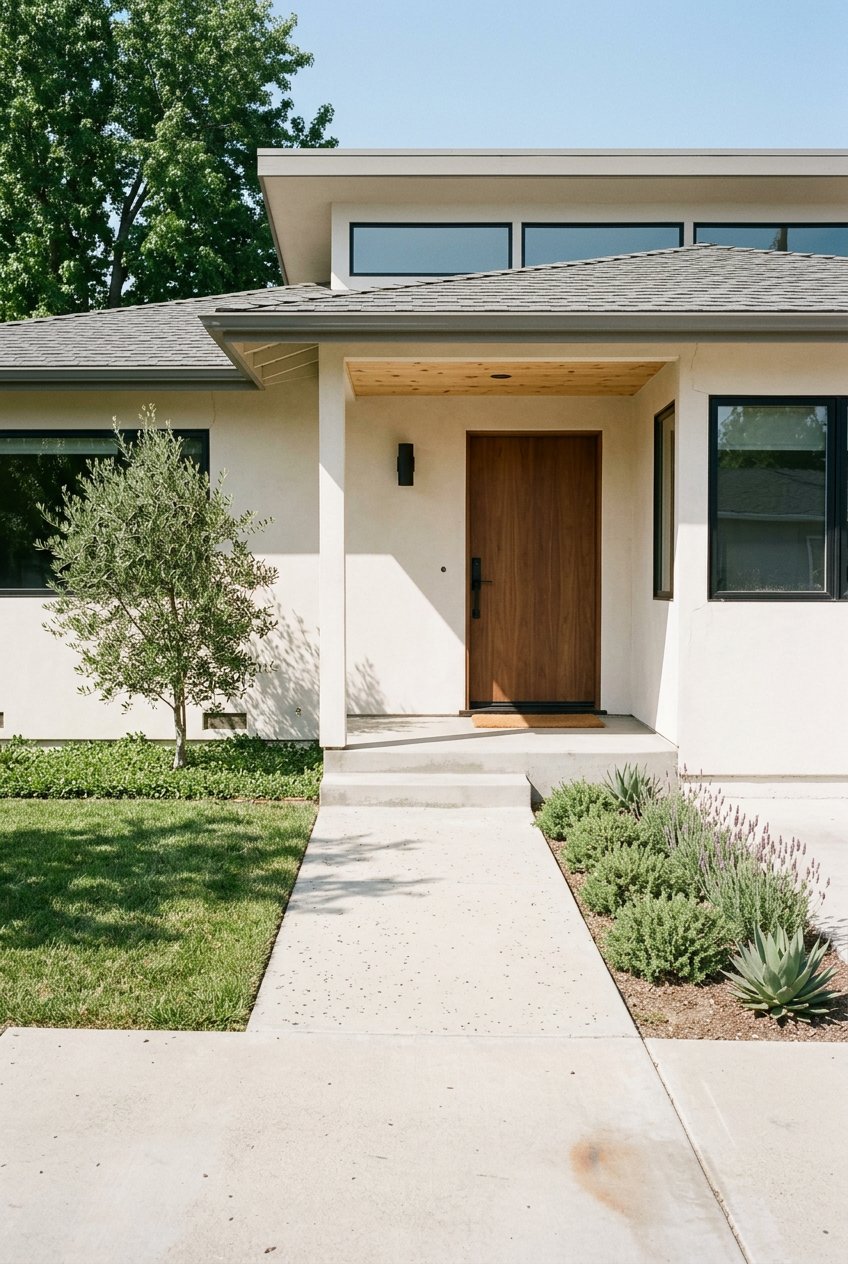
- Consider light staging for the living room, kitchen, and primary bedroom. Boost curb appeal with clean landscaping and a welcoming entry.
- Finalize pricing and pick a mid‑week go‑live to maximize weekend traffic. Present a clean, complete disclosure packet on day one to support confident offers.
List week: Pricing and offer strategy
- Use a data‑driven CMA that focuses on recent, relevant Baywood sales. Decide whether your first goal is speed, top‑of‑market price, or predictability.
- In low‑inventory pockets, well‑priced, well‑presented homes can still attract multiple offers. Keep a close eye on activity in the first two weeks. If traffic or feedback lags, be ready to adjust marketing or price.
- When predictability matters, request offers with clear contingency timelines and strong pre‑approval letters.
Under contract: Contingencies and coordination
- Typical California contingencies cover inspection, appraisal, loan, and HOA review where applicable. Inspection windows often range 7 to 17 days. If you shared a pre‑listing inspection, you can often narrow requests to specific, documented items.
- Keep documents, access, and responses tight. Fast answers help buyers remove contingencies on time.
Escrow to close: 30–45 days for most loans
- A common financed timeline is about 30 to 45 days from acceptance to recording. Cash deals can close faster if title is clear and both sides are ready.
- Federal TRID rules require the buyer receive a Closing Disclosure at least three business days before the loan closes. Material last‑minute changes can trigger a new three‑day wait and delay closing. Keep lender coordination crisp. You can read more in the CFPB’s TRID disclosure FAQs.
Required California disclosures
Delivering complete disclosures early supports stronger offers and fewer resets of contingency timelines.
- Transfer Disclosure Statement (TDS). California requires most 1–4 unit sellers to disclose known material facts. If delivered after ratification, the buyer receives a statutory rescission window. See Civil Code §1102.
- Natural Hazard Disclosure (NHD). Provide the NHD Statement that covers FEMA flood, very high fire hazard severity zones, earthquake fault and seismic hazard zones, dam inundation, and more. See Civil Code §1103.2. Third‑party NHD reports are common.
- Lead‑based paint. If your home was built before 1978, federal disclosure and a lead safety pamphlet apply. Learn more from the California Department of Public Health’s lead disclosure page.
- Smoke alarms. Sellers certify compliance with State Fire Marshal smoke‑alarm rules for single‑family transfers. See Health & Safety Code §13113.8.
- Water‑heater bracing. California requires residential water heaters be braced or strapped for earthquakes. Sellers typically sign a compliance statement. See Health & Safety Code §19211.
Local hazards to prepare for
Bayfront and low‑lying parts of San Mateo County, including Foster City, face planning considerations tied to sea‑level rise and storm surge. The county’s Sea Level Rise Vulnerability Assessment maps areas of concern and guides local mitigation work. Review the county’s sea‑level rise assessment to understand the broader context.
Foster City voters previously approved Measure P to fund levee improvements. Levee status intersects with FEMA mapping and can affect whether flood insurance is required for certain parcels. Share city background materials like Measure P in your property packet when relevant.
Practical steps if your property is near water or at a low elevation:
- Check your current FEMA Flood Insurance Rate Map panel and see if an Elevation Certificate exists.
- Disclose any seawall or bulkhead repairs, permits, or maintenance history.
- Flag any pending city projects or special assessments early to buyer agents.
- Advise buyers to discuss flood insurance with their lender and insurer early in the process.
Common surprises and how to avoid them
- Unpermitted work. Pull permit history before listing and organize contractor invoices and approvals. Disclose clearly in the TDS and attach documents.
- Termite and wood‑rot findings. Order a WDO report early. Address active issues or obtain repair bids and offer either completion or a closing credit.
- Sewer laterals. Older lines can fail or be root‑impacted. Consider a pre‑list sewer scope and share the video and findings.
- Appraisal gaps. Overpricing invites low appraisals. Price to tight comps, present a clean inspection and document package, and be ready with data for the appraiser.
- Flood and levee context on waterfront lots. Share any seawall history, elevation information, and the city’s levee materials. Set insurance expectations early.
- Slow HOA document delivery. If you are selling a condo or townhome, request the HOA packet during pre‑list prep. Confirm reserves, litigation, and special assessments.
- Title or lien issues. Order a preliminary title report early and clear old exceptions.
Predictable timeline at a glance
- Weeks −6 to −2: Pre‑listing inspection and any specialty inspections. Pull permits, assemble your packet, and tackle high‑impact repairs.
- Weeks −2 to 0: Stage, photograph, finalize pricing, and prepare marketing.
- Week 0: Go live mid‑week to capture weekend traffic.
- Weeks 0 to 3: Showings and offers. Negotiate clear timelines.
- After acceptance: Inspection window commonly 7 to 17 days. Appraisal and loan underwriting proceed.
- Close of escrow: Financed purchases often complete in 30 to 45 days if documents flow on time. Cash can be faster.
Ready to sell with fewer surprises?
You deserve a clear plan, steady guidance, and a calm closing. Our team brings local Baywood and Peninsula experience, disciplined marketing, and an operations‑first approach so you can move forward with confidence. If you are thinking about selling this season, connect with us for a tailored plan and a clean timeline. Reach out to Benjamin Chirko to request your no‑surprises consultation.
FAQs
What is a pre‑listing inspection and why do Baywood sellers use it?
- It is a home inspection you order before going on the market. It helps you find and fix issues on your schedule, price with confidence, and reduce renegotiations once you are in escrow.
How long does escrow usually take for Baywood homes?
- Many financed sales close in about 30 to 45 days from acceptance if documents flow on time. Cash offers can close faster. Remember buyers must receive a Closing Disclosure at least three business days before loan closing under TRID rules.
Which disclosures are required when selling a Baywood home?
- Most sellers must deliver the Transfer Disclosure Statement and the Natural Hazard Disclosure, plus lead‑based paint forms for pre‑1978 homes and smoke‑alarm and water‑heater compliance statements. Delivering these early supports smoother timelines.
Do I need flood insurance if I live near the bay in San Mateo?
- It depends on your parcel’s FEMA map status and your lender’s requirements. Review your FEMA panel and any Elevation Certificate, and share city levee information with buyers. Your lender or insurer can confirm whether a policy is required.
How can I avoid an appraisal shortfall?
- Price to tight, recent comps, present a complete property packet and pre‑listing inspection, and ensure the appraiser has access to your features and upgrades. Clean data and access reduce surprises.
