If you want Peninsula convenience without giving up outdoor time, Foster City stands out fast. This planned waterfront community offers a quieter kind of Bay Area lifestyle, where lagoon paths, parks, and easy recreation are part of the daily routine. If you are wondering what it is really like to live here, this guide walks you through the setting, housing options, commute picture, and market realities so you can decide whether Foster City fits your next move. Let’s dive in.
What living in Foster City feels like
Foster City sits about 25 miles south of San Francisco on the San Francisco Peninsula. The city grew from planned development on former Brewer’s Island, and that master-planned layout still shapes daily life today.
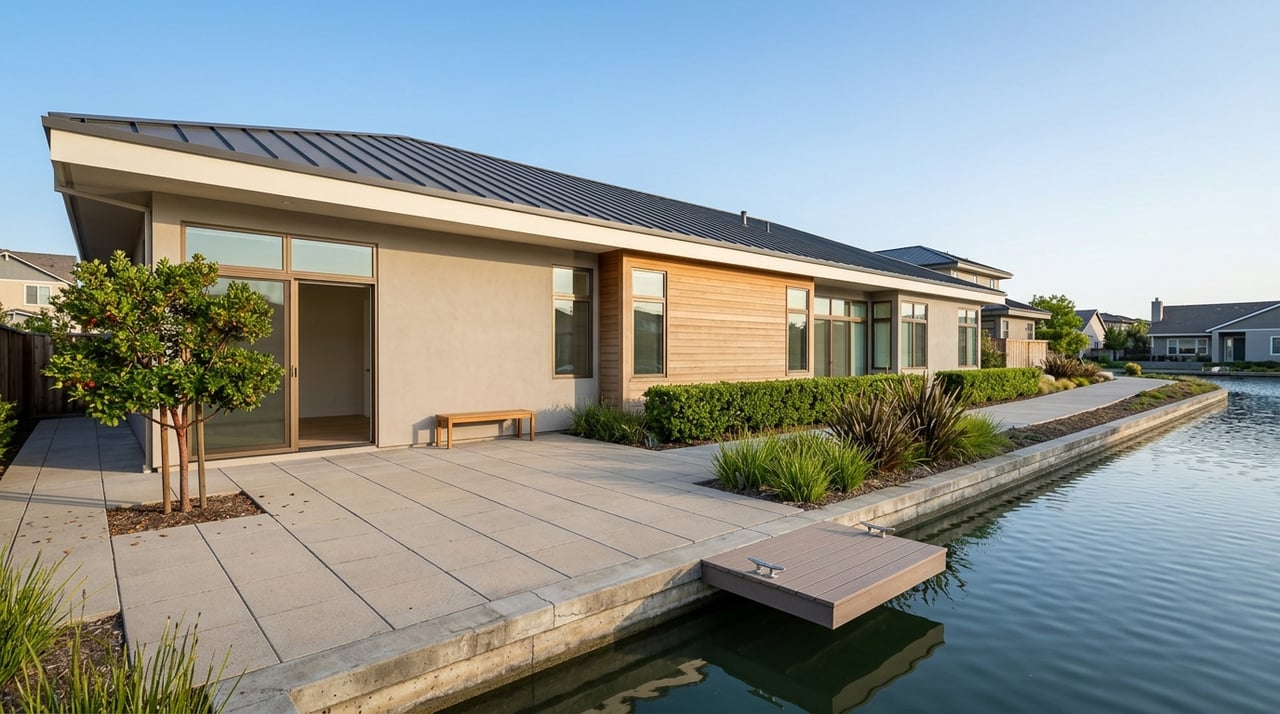
What makes the city feel different is the water. The central lagoon system was built as both a recreation amenity and a stormwater feature, so waterfront living here is woven into the design of the community rather than limited to a small shoreline pocket.
For many residents, that means your version of “waterfront” is not a busy marina scene. It is more about calm views, walking and biking near the lagoon, and easy access to paddling, sailing, and park space close to home.
Waterfront lifestyle in daily life
Foster City’s outdoor appeal is practical, not just scenic. The city says it has more than 160 acres of parks and open space, along with bike paths, dog exercise areas, fields, courts, picnic areas, walkways, bocce, and a wildlife refuge.
The lagoon system adds more than 200 acres of water area. Since powerboats are prohibited on the lagoon, the atmosphere stays more relaxed, and sailing is one of the city’s most popular activities.
That matters if you want outdoor options that feel easy to use on a normal weekday. You do not need to plan a full day trip to get outside here. In many parts of Foster City, a walk, ride, or paddle session can be part of your regular routine.
Parks that anchor the lifestyle
Leo J. Ryan Memorial Park is one of the clearest examples of what residents enjoy. The park includes 20 acres of lawn, lagoon access, picnic areas, restrooms, a gazebo, basketball and tennis courts, and a boat launch.
The park also supports more active waterfront use. Concessions there include windsurfing lessons, plus kayak, pedal boat, and stand-up paddleboard rentals.
Boat Park adds another layer to the waterfront setup with a launch facility, boardwalk, lawn space, and picnic tables. If you like having flexible outdoor options nearby, these amenities are a real part of Foster City life.
Easy paths for walking and biking
The bayfront bicycle and pedestrian path is another everyday feature that shapes the city’s appeal. It is part of the Bay Trail system and connects Foster City to nearby Peninsula communities.
According to the city, the levee pedway can be ridden as a 12-mile loop in about an hour or two. It is also described as smooth enough for strollers and skaters, which gives it broad day-to-day usefulness.
That kind of access can make a difference in how a place feels to live in. Instead of driving somewhere to exercise or unwind, you may be able to step out from your neighborhood and start moving right away.
Community amenities beyond the water
Foster City is not only about views and recreation. The city also has a public library at East Hillsdale and Shell, a community center complex, and reservable indoor spaces for meetings and family events.
Parks and Recreation programming adds another practical benefit. The city runs classes, special events, and community activities, which helps make the civic spaces active parts of everyday life rather than places you only notice in photos.
This supports the city’s lower-key, organized feel. For many buyers and relocators, that balance of waterfront setting and useful civic infrastructure is a big part of the draw.
Getting around from Foster City
Commute and access matter, especially on the Peninsula. Foster City is positioned near Highway 92, which runs diagonally through the city and connects to the San Mateo-Hayward Bridge.
The city also highlights Caltrain connections, SamTrans FCX, free shuttles, and rideshare resources as part of its transportation network. Public shuttles to transit hubs such as Hillsdale and Millbrae help expand your options if your work or travel routine depends on rail access.
For some residents, the Bay Trail connection also adds a bike-friendly layer to local movement. If you value having several ways to get around, Foster City offers more than just highway convenience.
Housing options in Foster City
Foster City has a broader housing mix than some buyers expect. The city describes the local stock as including single-family homes, duplexes, townhomes, apartments, and condos.
In the city’s housing element, the 2010 inventory was 36.5 percent single-family detached and 63.5 percent multifamily. That multifamily share included apartments, townhouses, condos, and duplexes.
Because the city was planned with neighborhoods, shopping centers, and smaller HOA-style micro-communities, one part of Foster City can feel more suburban while another feels more attached-home or condo-oriented. That variety can be helpful if you are comparing lifestyle needs, budget, and maintenance preferences.
What different home types may suit
If you want stronger privacy, more yard space, and direct water or lagoon adjacency, single-family homes are often the clearest fit. These homes typically sit in the city’s higher pricing tier.
If you want ownership with less exterior upkeep and a lower entry point than many detached homes, townhomes and condos often deserve a close look. For buyers balancing price and location on the Peninsula, this can be an appealing middle ground.
Apartments and rentals can make sense if you are relocating, testing the area before buying, or prioritizing flexibility. In a market like Foster City, that can be a practical first step.
What the market looks like now
Foster City is not an entry-level Peninsula market. Recent March 2026 data from Redfin showed a median sale price of $1.703 million, median days on market of 9, and an average of 3 offers.
Realtor.com’s March 2026 snapshot showed a median listing price of $1.425 million, a median rental price of $4,225, and a 106 percent sale-to-list ratio. These figures measure different things, but together they point to a market that remains expensive and competitive.
Looking more closely by property type, Redfin’s city guide places median sale prices at about $2.248 million for single-family homes, $1.600 million for townhouses, and $1.475 million for condos and co-ops. In simple terms, you can think of Foster City as having a condo and townhome tier in the mid-$1 million range, with many single-family homes in the low-to-mid $2 million range.
Is Foster City a good fit for you?
Foster City tends to appeal to buyers who want a Peninsula location with easy outdoor access, water-oriented scenery, and a more orderly, low-key setting. It can be especially appealing if you want recreation close to home without relying on a dense urban waterfront district.
It may also fit you if you value having choices in housing type. The city’s mix of condos, townhomes, apartments, and single-family homes creates more ways to match your budget and ownership goals than a place dominated by just one product type.
The main tradeoff is price. You are paying for Peninsula location, waterfront amenities, and a community design that offers a very specific lifestyle.
Flood protection and peace of mind
In any waterfront community, buyers naturally ask about flood protection. Foster City says its levee is FEMA-certified, and land within city limits is classified as Zone X, where mandatory flood insurance is not required.
The city also treats the lagoon and levee system as part of its flood-control infrastructure. That does not replace your own due diligence during a purchase, but it is an important part of understanding how the city was designed and managed.
For many buyers, this is part of what makes Foster City’s waterfront appeal feel more usable and approachable. The water is not just aesthetic. It is also tied to how the city functions.
Why local guidance matters here
On paper, Foster City can look straightforward. In practice, the details matter, including housing type, micro-location, HOA structure, waterfront orientation, commute route, and how pricing shifts from condos to townhomes to detached homes.
That is where local market context helps. A neighborhood guide can give you the broad picture, but a home search or sale works best when you match the city’s lifestyle and pricing tiers to your actual goals.
If you are considering a move to Foster City, the best next step is to look at the market through both a lifestyle lens and a data lens. That combination usually leads to better decisions and fewer surprises.
If you are thinking about buying or selling in Foster City, Benjamin Chirko can help you navigate the market with clear advice, local knowledge, and a no-surprises approach.
FAQs
What does waterfront living in Foster City actually mean?
- It usually means access to lagoon views, walking and biking paths, parks, and quiet water recreation like sailing, kayaking, paddleboarding, and windsurfing rather than a large marina or commercial waterfront.
How easy is it to get outside in Foster City?
- Foster City is built for easy outdoor use, with more than 160 acres of parks and open space, a Bay Trail connection, dog exercise areas, courts, fields, picnic areas, and waterfront park amenities.
What types of homes are available in Foster City?
- The city includes single-family homes, duplexes, townhomes, apartments, and condos, giving buyers and renters a range of price points, ownership styles, and maintenance levels.
What is the Foster City housing market like?
- Recent March 2026 data points to a high-priced, competitive market, with median sale prices around $1.703 million overall and many homes selling quickly.
Is Foster City good for commuting on the Peninsula?
- Foster City offers access to Highway 92, the San Mateo-Hayward Bridge, Bay Trail bike routes, Caltrain connections, SamTrans FCX, free shuttles, and rideshare resources.
Do Foster City buyers need flood insurance?
- The city says its levee is FEMA-certified and that land within city limits is classified as Zone X, where mandatory flood insurance is not required.
